Houseplant Rescue and Repotting
Revive struggling plants and give them a fresh start with expert care
Signs Your Plant Needs Rescue
Even the most attentive plant parents encounter struggling plants. Recognizing early warning signs is crucial for successful plant rescue. Common indicators include yellowing or browning leaves, wilting despite adequate watering, stunted growth, and root problems.
Plants may struggle due to overwatering, underwatering, inadequate light, pest infestations, or simply outgrowing their current container. The good news is that many plants can recover with proper intervention and care.
Our comprehensive approach to plant rescue addresses the root cause of plant distress, helping you understand what went wrong and how to prevent future issues.
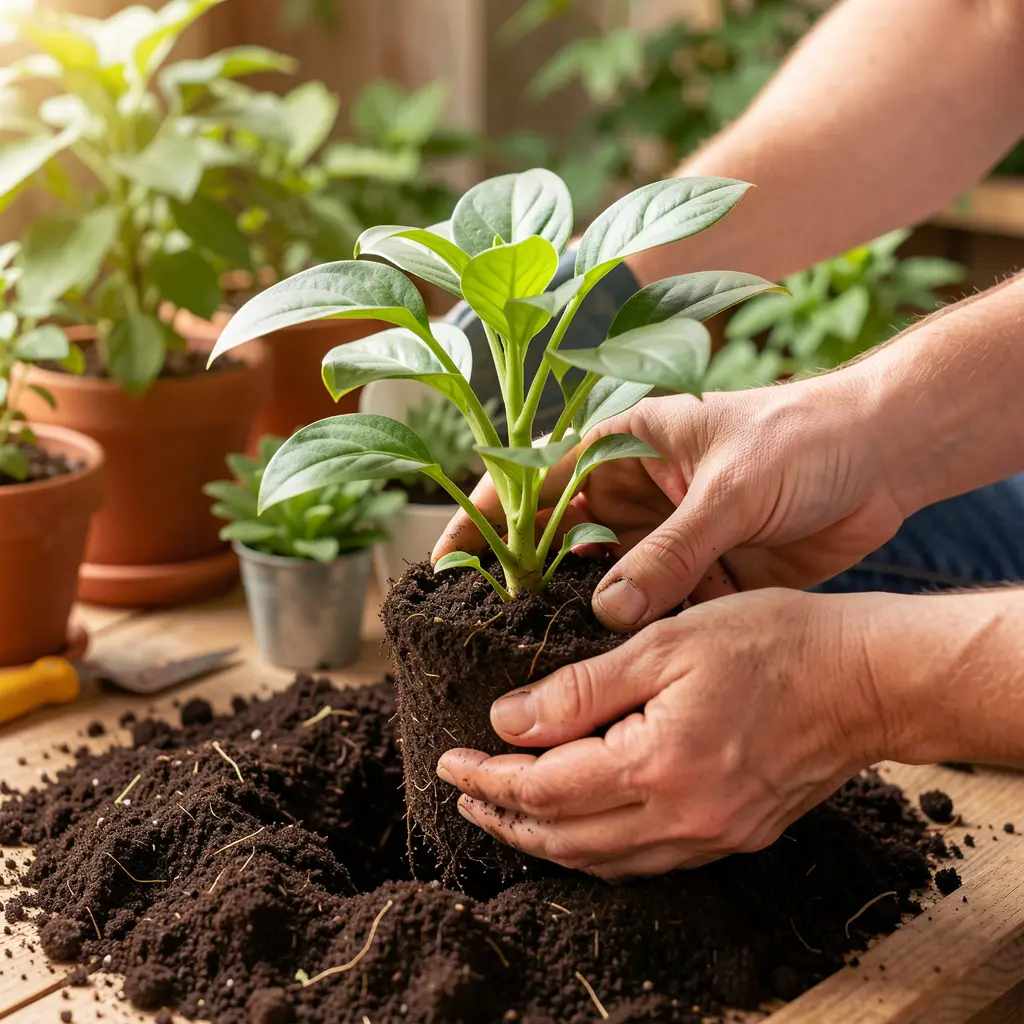
The Plant Rescue Process
Step-by-step approach to bringing struggling plants back to health
Step 1: Assessment
Carefully examine the entire plant including roots, stems, and leaves to identify all issues.
Step 2: Pruning
Remove dead, damaged, or heavily affected foliage to redirect energy to healthy growth.
Step 3: Root Care
Trim rotted roots, treat with fungicide if needed, and prepare for fresh soil.
Step 4: Repotting
Place in appropriate pot with fresh soil mix and provide optimal recovery conditions.
When and How to Repot
Repotting is essential for plant health, but timing matters. Most houseplants benefit from repotting every one to two years, preferably during the spring growing season when plants can quickly recover and establish in their new container.
Signs that your plant needs repotting include roots growing through drainage holes, water running straight through the pot, slowed growth despite proper care, and soil that dries out unusually quickly.
When repotting, choose a container only one to two inches larger than the current pot. Too large a pot can lead to overwatering issues as excess soil retains moisture the roots cannot absorb.
- Water plant thoroughly 24 hours before repotting
- Use fresh, appropriate potting mix
- Ensure new pot has adequate drainage
- Keep newly repotted plants in indirect light
Repotting Essentials
Gather these supplies before you begin:
- New pot with drainage holes
- Fresh potting soil
- Clean pruning shears
- Watering can
- Protective work surface
Common Plant Problems and Solutions
Quick reference guide for diagnosing and addressing plant issues
Overwatering Issues
Yellow leaves, mushy stems, and root rot indicate excess moisture. Allow soil to dry completely, improve drainage, and reduce watering frequency. Repot if root rot is present.
Light Stress
Pale leaves suggest too little light while scorched spots indicate too much direct sun. Gradually adjust plant placement and monitor response over several weeks.
Pest Infestations
Sticky residue, webbing, or visible insects require immediate action. Isolate affected plants, treat with appropriate methods, and monitor neighboring plants.
Need Help Rescuing Your Plants?
Our plant care specialists can help diagnose issues and provide personalized recovery plans for your struggling houseplants.
Get Plant Rescue Help